
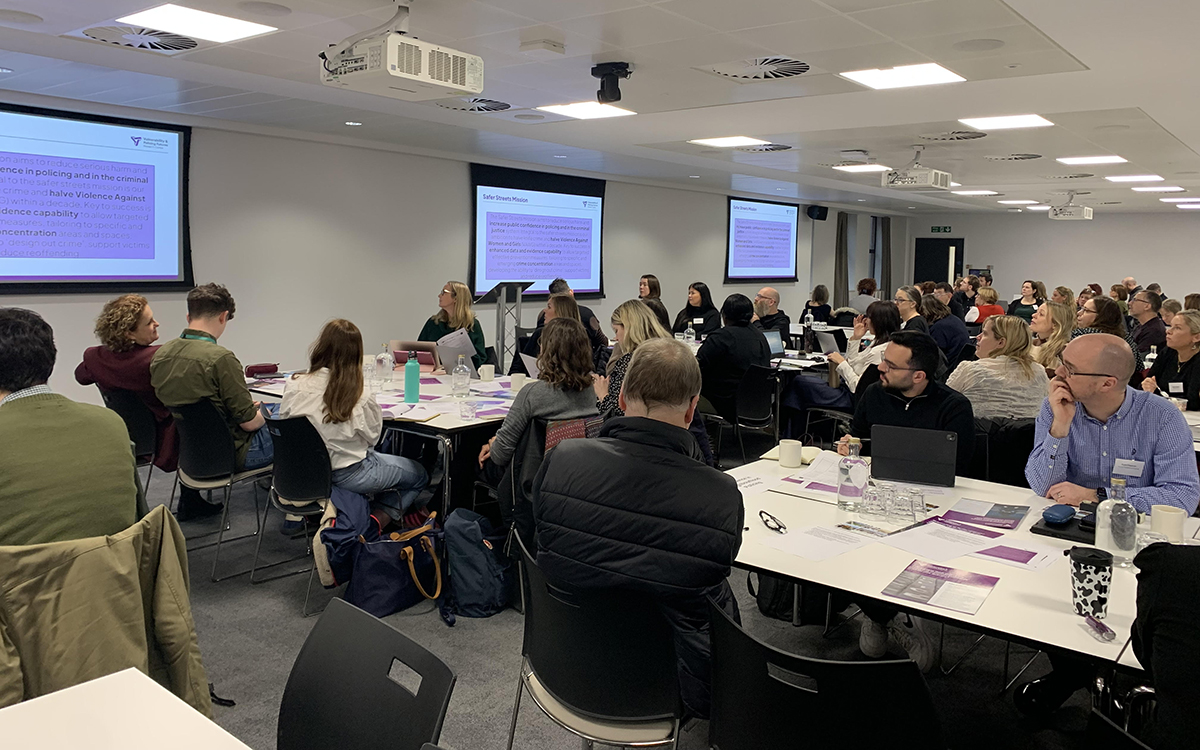
Researchers, policymakers and practitioners from across Yorkshire and the Humber have come together for a Safer Streets themed workshop aimed at developing collaborative research–practice projects across the region.
3 February 2026
Initiated by the University of York’s ESRC Impact Acceleration Account and hosted by the Yorkshire Policy Collaboration, in partnership with the Vulnerability & Policing Futures Research Centre, TYP‑ACE, the York Policy Engine and the Yorkshire & Humber Councils Policy Officer Network, the event brought together attendees from policing, combined authorities, the third sector and universities to develop evidence‑led project proposals aligned to the Government’s Safer Streets mission and upcoming UKRI opportunities.
The workshop built on an initial York and North Yorkshire workshop hosted by the York ESRC IAA, expanding focus and collaboration more widely across Yorkshire and the Humber.
Opening the event, Professor Adam Crawford highlighted the importance of building cross-sector partnerships capable of addressing issues such as violence against women and girls, confidence in the police, organised crime, knife crime, and building an evidence base that effects change.
Jo Coles, York & North Yorkshire Deputy Mayor for Policing, Fire & Crime; Esther Green, Policy Manager (Policing and Crime) at West Yorkshire Combined Authority; and Matthew Clay, Director of Policing & Reform at South Yorkshire Mayoral Combined Authority, set out their crime and policing priorities, underscoring a shared commitment to joint working and data-driven prevention.
Lightning talks from researchers leading current UKRI-funded Safer Streets projects at the Universities of Leeds and York showcased innovative approaches to improving public safety, including crime concentration analysis, designing safer parks, and the effectiveness of protective orders for women experiencing stalking.
Delegates took part in two rounds of breakout sessions to identify key evidence gaps and develop new project ideas around important parts of the Safer Streets mission, including concentrations of crime, violence against women and girls, confidence in policing, knife crime, and serious organised crime and the security of prisons.
Several key evidence gaps were highlighted, including insufficient data to pinpoint where crime occurs, limited understanding of who is most at risk of victimisation or offending, and challenges in measuring issues such as knife‑carrying. Attendees also stressed the need for better use of policing data systems, improved representation of minority and marginalised groups, and stronger evidence on what interventions effectively reduce harm.
Having identified evidence gaps, participants formed working groups to develop project outlines based on these priorities. They created action plans for future bids and discussed how potential outputs could support the Safer Streets mission. They also identified key stakeholders, routes for collaboration, and leads to drive each idea forward, agreeing on clear next steps for continued development.
Reflecting on the day, Professor Adam Crawford, Co-Director of the Vulnerability & Policing Futures Research Centre, said:
“The safety and policing challenges facing communities in Yorkshire and across the UK do not sit neatly within organisational boundaries. Today’s workshop demonstrated the real appetite across the region for collaborative, evidence-based approaches that bring together the insights of practitioners, policymakers and researchers. By working collectively, we can generate solutions that are grounded in local realities and capable of delivering meaningful, long-term impact for the people and places we serve.”
The event closed with commitments to continue developing shared projects, maintain regional collaboration, and create structures for ongoing communication and joint working.
The workshop marks a significant step forward in strengthening Yorkshire’s collaborative approach to building safer, stronger communities.